
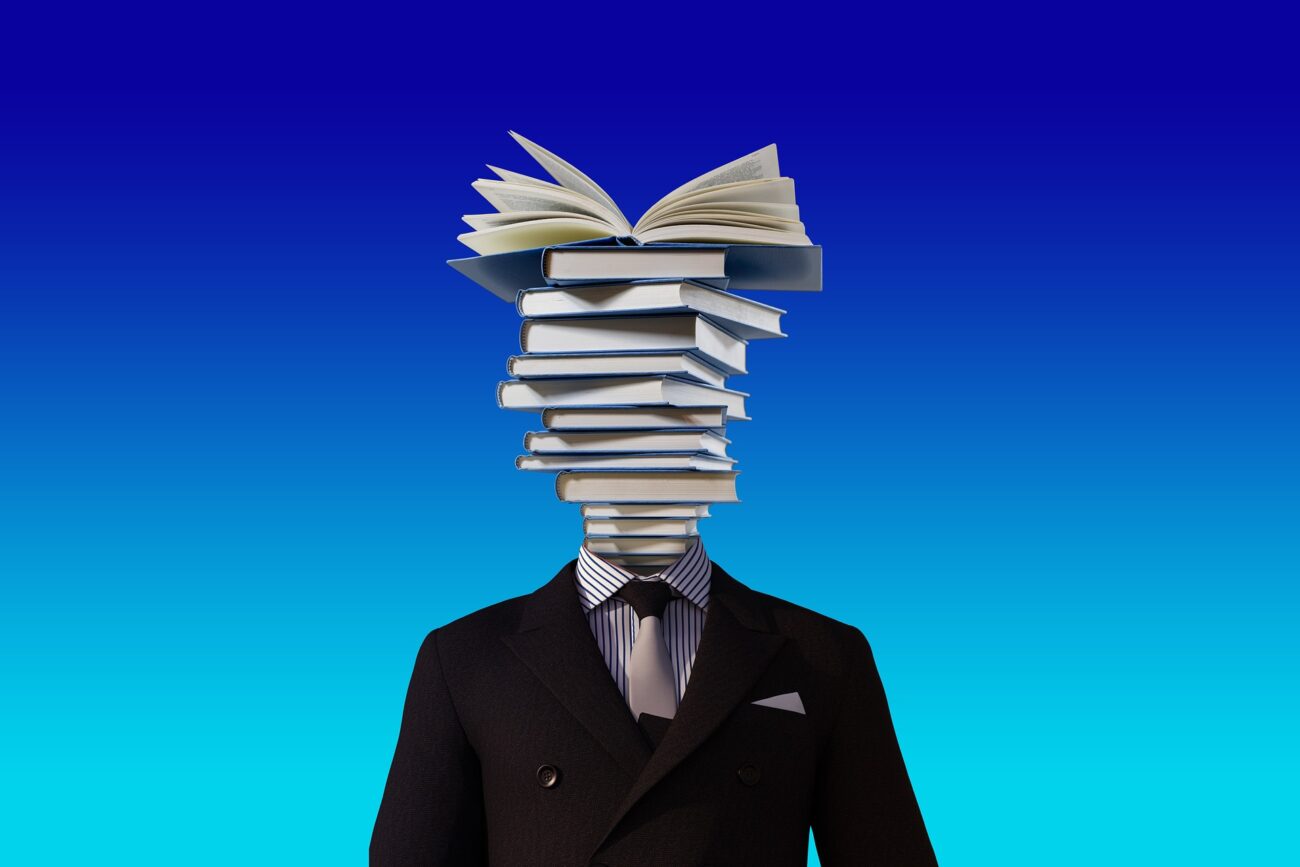
There’s a question haunting creative professionals in 2026: “Will AI take my job?”
It’s asked in design studios and writers’ rooms. In marketing departments and music production suites. In advertising agencies and architecture firms. Everywhere humans create, the same anxiety echoes.
And it’s understandable. The headlines are dramatic. “AI Creates Art Better Than Humans.” “GPT-4o Writes Bestselling Novels.” “Midjourney Replaces Graphic Designers.” The media loves a good robot-takes-over story, and they’ve been selling it hard.
But here’s the truth that rarely makes headlines: creativity was never just about output.
It’s about intention. Emotion. Experience. The uniquely human ability to draw from a lifetime of joy, pain, love, and loss—and transform those experiences into something that makes others feel seen and understood.
AI can generate infinite variations. It can analyze millions of existing works and produce statistically probable combinations. It can mimic styles and replicate patterns with superhuman speed.
How to Use AI to Build and Grow a Profitable Online Business in 2026
But can it feel? Can it intend? Can it draw from genuine human experience to create something that resonates on a soul level?
This guide explores the complex relationship between AI and human creativity in 2026. We’ll look at what machines do well, where humans remain irreplaceable, and—most importantly—how the two can collaborate to create things neither could achieve alone.
Because the future isn’t about replacement. It’s about partnership.
The State of AI Creativity in 2026
Let’s start with a clear-eyed assessment of what AI can actually do in 2026.
What AI Creates Today
Visual Art: AI generates photorealistic images, original illustrations, and artistic compositions that would have been unimaginable five years ago. Tools like Midjourney, DALL-E 3, and Leonardo.ai produce work that wins competitions, graces magazine covers, and sells at auction .
Writing: Large language models draft articles, poetry, fiction, and marketing copy that’s often indistinguishable from human writing—at least on first reading. They can mimic specific authors, adapt to different genres, and generate endless variations on a theme .
Music: AI composes original scores, generates lyrics, and even creates convincing vocal performances. Suno and Udio produce songs that sound like they could be on the radio, with structure, emotion, and catchiness .
Video and Animation: Runway and Pika generate video from text prompts. Opus Clip repurposes long content into engaging shorts. ElevenLabs voices characters with stunning realism .
Design and Architecture: AI generates building concepts, interior designs, and product prototypes that push boundaries of form and function .
The Speed Advantage
AI creates at superhuman speed. What takes a human designer days—iterating through concepts, refining details, exploring variations—takes AI seconds. This speed lets creators explore possibilities they’d never have time to consider manually .
The Scale Advantage
AI never tires. It can generate thousands of variations, test countless approaches, and work 24/7 without coffee breaks or burnout. For businesses needing content at scale, this is transformative .
The Pattern Recognition Advantage
AI has ingested more human creative work than any single person could experience in a thousand lifetimes. It recognizes patterns, understands conventions, and can generate work that “feels right” within established genres .
The Limitations
Despite these impressive capabilities, AI creativity has fundamental constraints :
-
No genuine intention: AI doesn’t create because it has something to say. It creates because it’s prompted to.
-
No lived experience: AI hasn’t loved, lost, struggled, or triumphed. It simulates emotion without feeling it.
-
No original thought: AI remixes existing work. It doesn’t have genuinely novel ideas—only novel combinations.
-
No cultural context: AI doesn’t understand the nuanced cultural references that shape meaning.
-
No personal stake: AI doesn’t care about its work. It has no ego, no ambition, no desire to move people.
What Human Creativity Actually Is
To understand whether AI can replace human creativity, we need to understand what human creativity actually involves.
It’s More Than Output
Creativity isn’t just about producing things. It’s about intention—the desire to express something, to communicate an idea, to evoke a feeling. When a poet writes about heartbreak, they’re not just arranging words. They’re processing genuine pain and hoping readers feel less alone in theirs .
It Draws on Lived Experience
Every human creation carries the weight of its creator’s life. The painter who lost a parent. The musician who fell in love. The writer who survived trauma. These experiences infuse creative work with authenticity that AI cannot simulate .
It’s About Connection
Great art makes people feel seen and understood. When you encounter a work that resonates deeply, you’re connecting with another human being who felt something similar and found a way to express it. That connection—human to human—is what makes creativity meaningful .
It Pushes Boundaries
True creativity isn’t just combining existing elements in new ways. It’s creating things that didn’t exist before—not just new combinations, but new categories, new ways of thinking, new possibilities. This requires a kind of imagination that transcends pattern recognition .
It Embraces Imperfection
Human creativity is full of “flaws” that make it beautiful. The slightly imperfect brushstroke. The raw vocal that cracks with emotion. The story that doesn’t tie up neatly. These imperfections signal authenticity—they remind us that a real person made this .
The 2026 Creative Landscape: Who’s Doing What
Let’s look at how different creative fields are being transformed.
Visual Arts
What AI does well:
-
Generating concept art and iterations
-
Creating variations on themes
-
Producing background elements and textures
-
Exploring styles and combinations
What remains human:
-
Artistic vision and intent
-
Cultural commentary and critique
-
Works that draw on personal experience
-
Pieces that challenge and provoke
The emerging reality: Professional artists use AI for exploration and iteration, then apply their judgment to select, refine, and infuse meaning. The result is more work, faster, without losing artistic voice .
Writing and Literature
What AI does well:
-
Generating outlines and first drafts
-
Producing content for commercial purposes (product descriptions, news summaries)
-
Mimicking specific styles and genres
-
Overcoming writer’s block
What remains human:
-
Literary fiction that explores complex human experience
-
Poetry that captures genuine emotion
-
Memoir and personal narrative
-
Work that requires lived experience
-
Cultural commentary with real stakes
The emerging reality: Commercial writing is increasingly AI-assisted. Literary writing remains fundamentally human—readers want to connect with another person, not an algorithm .
Music
What AI does well:
-
Generating backing tracks and loops
-
Creating background music for videos
-
Producing variations on themes
-
Mimicking specific artists and genres
What remains human:
-
Songs that express genuine emotional experience
-
Live performance and audience connection
-
Innovation that creates new genres
-
Music with cultural significance and context
The emerging reality: AI-generated music floods streaming platforms as background content. But music that matters—that moves people, that becomes part of cultural moments—still comes from humans .
Design and Advertising
What AI does well:
-
Generating design options and variations
-
Creating mood boards and concept explorations
-
Producing multiple ad variations for testing
-
Handling routine production work
What remains human:
-
Strategic creative direction
-
Understanding cultural nuance
-
Campaigns that tap into genuine human insight
-
Work that requires emotional intelligence
The emerging reality: Agencies use AI to handle production volume while humans focus on strategy, insight, and creative direction. The best work combines both .
Film and Video
What AI does well:
-
Generating storyboards and pre-visualization
-
Creating visual effects and backgrounds
-
Editing and post-production assistance
-
Repurposing content across platforms
What remains human:
-
Directing with vision and intention
-
Performance and emotional authenticity
-
Storytelling that resonates deeply
-
Work that requires real-world production
The emerging reality: AI handles technical heavy lifting, freeing filmmakers to focus on story, performance, and emotional impact .
The Collaboration Case Studies
The AI-Assisted Novelist
Jennifer, a novelist, uses AI to overcome writer’s block and explore plot possibilities. She feeds it character descriptions and asks for scene suggestions, then selects, adapts, and infuses her voice. Her latest novel—written in half the usual time—was shortlisted for a major literary prize .
Her take: “AI doesn’t write my books. It helps me write them faster. The voice, the emotion, the things that matter—those are still mine.”
The Artist Who Embraces AI
Marcus, a visual artist, creates work that explicitly engages with AI. He generates images, then physically paints over them, blending digital and analog. His work explores what happens when human and machine creativity collide .
His take: “AI is a new medium, like photography was. Photographers didn’t replace painters—they created new possibilities. I’m doing the same.”
The Advertising Creative Director
Priya leads a creative team at a major agency. Her team uses AI to generate hundreds of concept variations, then applies human judgment to select the ones with genuine insight and emotional resonance .
Her take: “My team produces more work, better work, because AI handles the grunt work. But the big ideas—the ones that win awards and move people—still come from humans.”
The Musician Who Collaborates
David, a composer, uses AI to generate musical ideas he’d never have considered. He takes AI-generated fragments and develops them into full compositions, blending machine suggestions with human development .
His take: “AI gives me ideas I wouldn’t have had. But I’m the one who decides which ideas have potential, and I’m the one who turns them into something real.”
What the Research Says
The Unilever Experiment
Unilever has been exploring how generative AI can enhance brand building. Their research reveals a nuanced picture: while AI can accelerate content production and provide insights, brand meaning is increasingly co-created with consumers and creators in real time .
Key finding: AI handles production; humans handle meaning. The brands that win are those using AI to scale while maintaining authentic human connection.
The IAB Trust Gap
Research from the IAB’s 2026 State of Data report reveals a concerning disconnect: while 82% of ad executives believe Gen Z and Millennial consumers feel positive about AI-generated content, only 45% of those consumers report feeling the same .
Key finding: Audiences value authenticity and want to know when they’re engaging with human versus machine creation. Transparency builds trust.
The Authenticity Premium
As generative AI floods the internet with synthetic content, we’re witnessing the emergence of an “authenticity premium.” In a world of infinite, perfect AI-generated content, “perfection” is no longer a differentiator—it’s a commodity .
Key finding: Flaws, vibe, and human connection become more valuable. Consumers gravitate toward creators and content that represent a verifiable human pulse in a synthetic world .
The Philosophical Questions
Beyond practical considerations, AI creativity raises profound philosophical questions.
What Is Originality?
If AI generates something that’s never existed before—but does so by remixing existing work—is that original? The question forces us to reconsider what originality means. Human creativity also builds on what came before. The difference is intention and transformation .
What Is Authenticity?
When an AI writes a heart-wrenching poem about loss, does it matter that it’s never lost anyone? The poem might be beautiful, but does it carry the same weight as one written by someone who’s actually grieved? Authenticity, it seems, requires genuine experience .
What Is Art?
If AI creates something beautiful and moving, is it art? Or does art require a human artist with intention and meaning? This debate has raged since photography and will continue with AI. The answer may be that art is in the eye of the beholder—and in the intention of the creator .
What Does It Mean to Be Creative?
Is creativity about output or process? About results or intention? About the ability to generate or the desire to express? AI forces us to examine these questions more deeply, and in doing so, helps us understand what makes human creativity unique .
The Skills That Will Matter
If AI handles execution, what skills become most valuable for human creators?
Vision and Direction
The ability to see what’s possible, to imagine what doesn’t exist, to set creative direction—this remains fundamentally human. AI executes; humans envision .
Emotional Intelligence
Understanding what moves people, what resonates, what feels authentic—this requires emotional intelligence that AI can simulate but not genuinely possess. Humans feel; machines calculate .
Cultural Context
Creativity doesn’t exist in a vacuum. It responds to culture, comments on society, reflects its moment. Understanding this context requires lived experience and cultural awareness .
Ethical Judgment
Creative work has impact. It shapes perceptions, influences behavior, affects real people. Deciding what should be created—not just what can be created—requires ethical judgment .
Personal Experience
The most powerful creative work draws on genuine experience. The pain of loss. The joy of connection. The struggle of growth. These cannot be simulated—only lived .
Taste and Curation
AI generates infinite options. Human judgment selects which ones matter. Taste—the ability to recognize quality, potential, and meaning—becomes more valuable, not less .
The Collaboration Model
The most successful creators in 2026 aren’t choosing between human and AI—they’re using both in partnership.
How Collaboration Works
| Task | AI Role | Human Role |
|---|---|---|
| Ideation | Generate hundreds of possibilities | Select promising directions |
| Exploration | Create variations and alternatives | Evaluate and refine |
| Production | Handle routine execution | Focus on complex, meaningful work |
| Optimization | Test and analyze performance | Set strategy and interpret results |
| Personalization | Adapt content for different audiences | Ensure authentic voice remains |
The Creative Workflow
-
Human sets vision: What are we trying to achieve? What feeling should this evoke? What message matters?
-
AI generates options: Hundreds of possibilities based on the brief
-
Human selects and directs: Which directions have potential? What’s worth exploring further?
-
AI refines and expands: More variations on promising directions
-
Human develops and completes: Infusing meaning, adding personal touch, ensuring quality
-
AI distributes and analyzes: Getting work to audiences, tracking response
-
Human learns and iterates: Applying insights to next project
This loop combines AI’s scale and speed with human judgment and meaning .
The Industries Being Transformed
Advertising and Marketing
Before AI: Campaigns took months, required large teams, and tested few variations.
With AI: Campaigns launch faster, test hundreds of variations, and optimize continuously. Humans focus on strategy, insight, and creative direction.
Winner: Agencies that combine AI efficiency with human creativity.
Film and Entertainment
Before AI: Pre-visualization was expensive and time-consuming. VFX required massive teams.
With AI: Directors explore concepts rapidly. VFX teams work faster. Independent creators produce work that once required studio budgets.
Winner: Storytellers who use AI to realize visions previously impossible.
Publishing and Journalism
Before AI: Writers spent hours on research and reporting. Production was linear.
With AI: Research accelerates. First drafts generate quickly. Writers focus on investigation, analysis, and voice.
Winner: Journalists who use AI for research and production while focusing on original reporting.
Music and Audio
Before AI: Composition required extensive training. Production required studios.
With AI: Anyone can generate music. Production happens on laptops. The barrier to entry collapses.
Winner: Artists who use AI as a tool while maintaining authentic voice.
Design and Architecture
Before AI: Iteration was slow. Exploration was limited by time and budget.
With AI: Hundreds of concepts in hours. Exploration without constraints. Humans focus on selecting and refining.
Winner: Designers who use AI to explore possibilities while applying human judgment.
The Ethical Considerations
As AI creativity becomes more powerful, ethical questions demand attention.
Disclosure and Transparency
Should audiences know when they’re engaging with AI-generated content? Research suggests yes—transparency builds trust . Audiences increasingly value understanding how content is created, and brands that hide behind generative tools risk reputational damage .
Copyright and Ownership
Who owns AI-generated work? The person who prompted? The company that trained the model? The artists whose work was used in training? These questions remain legally unsettled and will shape the creative economy .
Cultural Appropriation
AI trained on global creative work may reproduce cultural elements without understanding or respecting their significance. This risks a new form of appropriation at industrial scale .
Authenticity and Trust
As AI-generated content floods the internet, how do audiences know what’s real? Watermarking, disclosure, and provenance tracking become essential infrastructure .
Economic Disruption
What happens to creative professionals when AI handles routine work? The answer must include retraining, new roles, and potentially new economic models for supporting creative work .
The Future of Human Creativity
Looking ahead to 2030 and beyond, several trends will shape human creativity.
The Authenticity Premium
As synthetic content becomes ubiquitous, genuinely human creation becomes more valuable. Audiences will seek out work they know comes from real people with real experiences .
The Rise of “AI-Native” Art
New art forms will emerge that explicitly engage with AI—work that couldn’t exist without machines and that explores what happens when humans and algorithms collaborate .
The Democratization of Creation
AI lowers barriers to creative expression. People who couldn’t draw can now visualize ideas. People who couldn’t compose can now create music. This democratization will unleash unprecedented creative expression .
The Evolution of Creative Roles
Jobs won’t disappear—they’ll transform. Writers become editors. Designers become directors. Musicians become curators. The skills that matter shift from execution to judgment .
The Enduring Power of Human Connection
At its core, creativity is about human connection. We create to communicate, to express, to make others feel less alone. AI can help with the mechanics, but the connection—human to human—remains irreplaceable .
What This Means for Creators
If you’re a creative professional wondering about your future, here’s the practical reality.
Your Skills Still Matter—But They’re Evolving
Technical execution skills become less valuable. Judgment, taste, vision, and emotional intelligence become more valuable. The shift is from doing to directing .
You Need AI Literacy
You don’t need to be a prompt engineer, but you need to understand what AI can and cannot do. Experiment with tools. Learn their strengths and limitations. Figure out how they fit into your workflow .
Your Voice Is Your Advantage
In a world of generic AI content, your unique perspective becomes more valuable, not less. The things that make your work recognizably yours—your experiences, your obsessions, your way of seeing—are what AI cannot replicate .
Authenticity Is Your Currency
Audiences crave genuine human connection. Share your process. Be transparent about how you use AI. Let people see the human behind the work. This authenticity builds trust that AI cannot replicate .
Collaboration Is the Future
The most successful creators won’t be those who resist AI or those who surrender to it. They’ll be those who learn to collaborate with it—using machines to handle what machines do best so they can focus on what only humans can do .
Conclusion
So, can machines really replace human creativity?
The answer, in 2026, is increasingly clear: no—but they’re transforming it.
AI cannot feel, intend, or draw on genuine experience. It cannot connect with audiences on a soul level or create work that carries the weight of lived life. It cannot push boundaries in truly original directions or comment on culture with authentic insight.
But AI can generate infinite variations at superhuman speed. It can handle routine production work so humans focus on meaning. It can explore possibilities no human would have time to consider. It can help creators work faster, explore more, and reach further.
The future isn’t human versus machine. It’s human with machine. A partnership where each does what they do best—AI handling scale and speed, humans providing meaning and connection.
The creators who thrive will be those who understand this partnership. Who use AI as a tool, not a replacement. Who let machines handle the heavy lifting while they focus on the work that only humans can do: feeling, connecting, and expressing what it means to be alive.
At Kemzia.com, we’re committed to helping you navigate this new landscape. Whether you’re a writer, artist, designer, or musician, we provide the insights and strategies you need to thrive in a world where humans and AI create together.
Your creativity is irreplaceable. AI can help you amplify it—but only you can decide what to say.
What will you create?
Ready to explore the intersection of AI and human creativity? Subscribe to the Kemzia newsletter for weekly insights, tool reviews, and success stories delivered straight to your inbox. Join thousands of creators building the future.
